
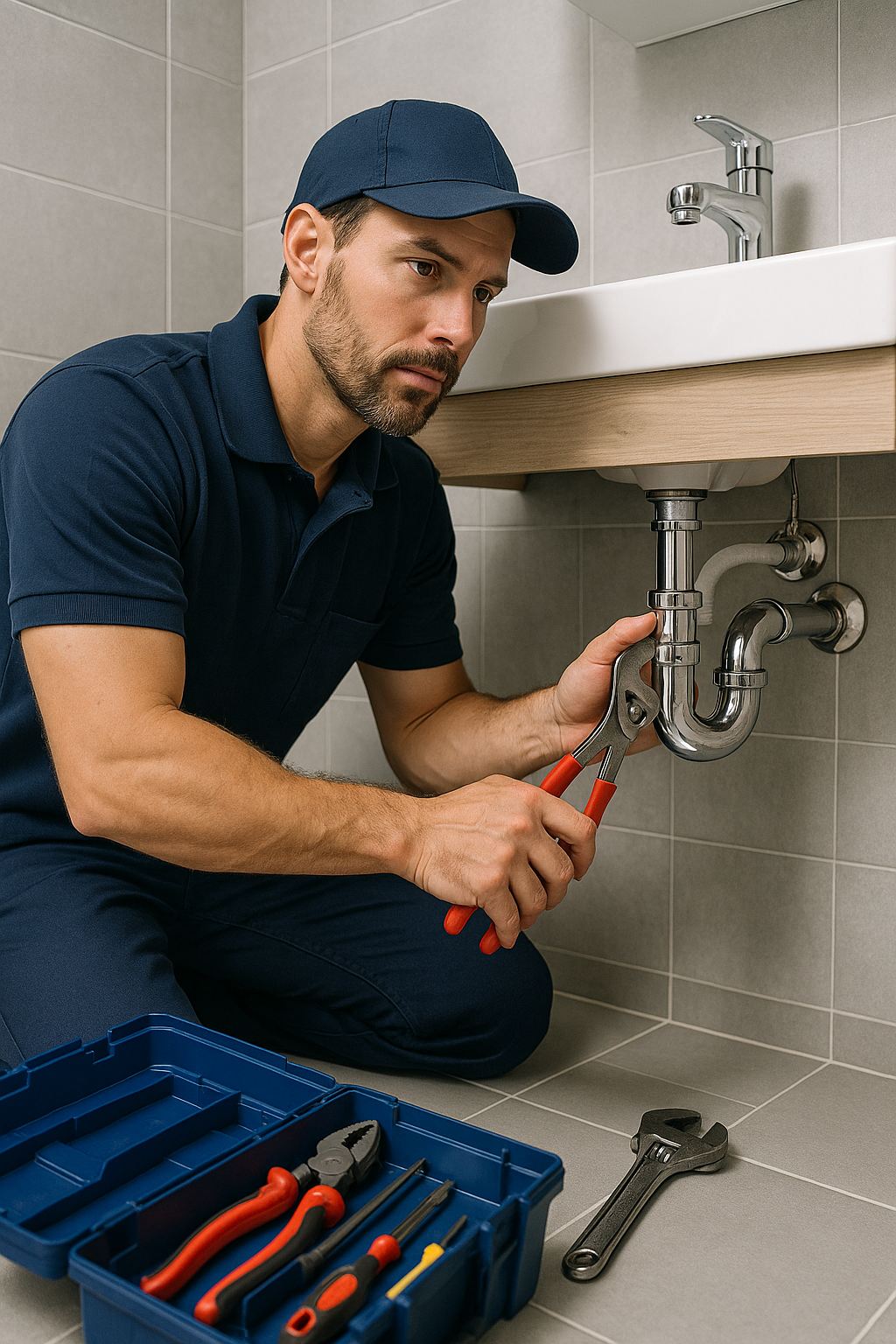
Quick action can prevent water damage. Learn the essential first steps for common plumbing emergencies.
Plumbing emergencies strike without warning and can cause thousands of dirhams in water damage within minutes. While professional help is essential, knowing what to do immediately can minimize damage, protect your property, and potentially save your belongings. Here's your comprehensive emergency response guide.
The Golden Rule: Locate Your Main Water Shut-Off
- Before any emergency occurs, every household member should know where the main water shut-off valve is located. In UAE apartments, it's typically:
- In the bathroom behind the toilet
- Under the kitchen sink
- In the utility closet
- Near the water heater
Mark it clearly and test it periodically to ensure it functions properly. In villas, the main valve is usually outside near the water meter. Shutting off water is your first line of defense against flooding.
Common Plumbing Emergencies and Immediate Actions
1. Burst Pipes
What Happens: Pipes burst due to pressure buildup, corrosion, or extreme temperature changes (rare in UAE but possible with AC condensation lines).
- Immediate Actions:
- Shut off main water supply immediately
- Turn off electricity to affected areas if water contacts outlets or appliances
- Open faucets to drain remaining water and relieve pressure
- Move furniture, electronics, and valuables away from water
- Use towels, buckets, or wet vacuums to contain spreading water
- Take photos for insurance documentation
- Call emergency plumbing services
Prevention: Regular pipe inspections, especially in older buildings. Replace corroded pipes proactively.
2. Overflowing Toilets
What Happens: Blockages prevent proper drainage, causing water to overflow and potentially flood bathrooms.
- Immediate Actions:
- Reach behind toilet and turn the water supply valve clockwise to close
- Do NOT flush again—this adds more water
- If valve is stuck, remove toilet tank lid and close the flapper valve (rubber piece at tank bottom)
- Use a plunger with petroleum jelly around the rim for better seal
- Plunge with firm, steady pressure (not violent thrusting)
- If unsuccessful after 10-15 attempts, don't continue—call professionals
- Mop up water immediately to prevent floor damage
What NOT to Do: Never use chemical drain cleaners in toilets—they damage porcelain and pipes, and complicate professional repairs.
3. Major Leaks from Sinks or Appliances
What Happens: Loose connections, failed hoses, or damaged fixtures release water continuously.
- Immediate Actions:
- Locate the individual shut-off valve (usually under sink or behind appliance)
- Turn valve clockwise until completely closed
- Place buckets under leaking areas
- Dry surrounding areas thoroughly
- Check for water spreading to adjacent rooms
- Inspect for electrical hazards
- For washing machine leaks, turn off both hot and cold supply valves
Long-term Fix: Replace braided stainless steel hoses every 5 years as preventive maintenance. They're more durable than rubber hoses.
4. Water Heater Leaks
What Happens: Tank corrosion, pressure relief valve failure, or loose connections cause leaks.
- Immediate Actions:
- Turn off power supply (circuit breaker for electric, gas valve for gas heaters)
- Shut off cold water supply to heater
- Attach hose to drain valve and direct to floor drain or outside
- Open pressure relief valve to reduce tank pressure
- Do NOT touch water or heater if electrically powered—risk of electrocution
- Call professionals immediately—water heater issues are complex
Warning Signs: Rust-colored water, popping sounds, or water pooling around base indicate impending failure.
5. Sewage Backup
What Happens: Main sewer line blockage causes waste water to back up through drains.
- Immediate Actions:
- Stop using all water immediately—toilets, sinks, showers
- Do NOT attempt to clear yourself—sewage contains harmful bacteria
- Evacuate affected areas
- Turn off HVAC to prevent contaminated air circulation
- Contact emergency plumbing services immediately
- Alert building management in apartments
- Document situation for insurance
Health Hazard: Sewage contains dangerous pathogens. Avoid contact and ensure professional cleanup and disinfection.
6. Frozen or Burst AC Condensate Lines
What Happens: In UAE's extreme AC usage, condensate lines can clog or freeze, causing water overflow.
- Immediate Actions:
- Turn off AC unit immediately
- Locate condensate drain pan (usually in ceiling or attached to air handler)
- Empty standing water
- Place towels or containers to catch dripping
- Check for ice on refrigerant lines—indicates bigger issue
- Clear visible blockages in drain line
- Call HVAC specialist for frozen lines
Prevention: Monthly drain line flushing with bleach-water solution prevents algae buildup.
Essential Emergency Toolkit
- Keep these items accessible:
- Adjustable wrench for quick valve closure
- Pipe tape for temporary leak sealing
- Bucket and old towels for water containment
- Wet/dry vacuum for water removal
- Plunger with proper seal
- Flashlight for dark areas (under sinks, in cabinets)
- Waterproof gloves
- Emergency contact numbers prominently displayed
Temporary Leak Repairs (Until Professionals Arrive)
- For Very Small Leaks:
- Pipe repair tape: Wrap tightly around leak area, extending 5cm beyond leak on each side
- Epoxy putty: Knead until uniform color, press firmly around leak, allow to cure
- Hose clamp with rubber patch: Position rubber over leak, tighten clamp
Important: These are TEMPORARY solutions only. Professional repair is essential.
When to Call Emergency Services Immediately
- Some situations require instant professional response:
- Any sewage backup
- Burst pipes with active flooding
- Gas smell combined with water issues
- Water near electrical panels or outlets
- Ceiling leaks (indicate problems above)
- Complete loss of water pressure
- Water heater emergencies
- Flooding affecting multiple rooms
Water Damage Prevention
Even small leaks cause damage:
- First Hour:
- Water spreads rapidly through flooring
- Furniture begins absorbing moisture
- Electronics at risk if contacted
- First Day:
- Drywall begins deteriorating
- Mold spores begin forming
- Wood starts swelling and warping
- Metal fixtures begin rusting
- First Week:
- Mold growth becomes visible
- Structural damage to wood and drywall
- Contamination risks increase
- Permanent staining occurs
Speed is critical—professional water extraction and drying should begin within 24-48 hours.
Insurance Considerations
- Protect yourself financially:
- Photograph all damage before cleanup
- Document affected items and estimated values
- Keep receipts for emergency services
- Understand coverage limits and deductibles
- Report claims promptly
- Don't discard damaged items until insurer inspects
Most UAE home insurance covers sudden, accidental water damage but not gradual leaks or poor maintenance.
After the Emergency
- Once professionals arrive:
- Describe exactly what happened and what you did
- Point out shut-off valves used
- Mention any unusual sounds, smells, or previous issues
- Ask about root cause and prevention
- Get written estimates for repairs
- Request preventive maintenance recommendations
Long-term Prevention Strategies
- Avoid future emergencies:
- Annual professional plumbing inspections
- Replace hoses and supply lines every 5 years
- Install water leak detectors in risk areas
- Monitor water pressure (should be 40-60 PSI)
- Address small issues before they escalate
- Know your building's plumbing system age and condition
- Consider whole-house shut-off valve upgrade
24/7 Emergency Plumbing Services
- At Aqsa Tech, we understand that plumbing emergencies don't wait for business hours. Our emergency response team is available 24/7 with:
- Rapid response times across UAE
- Fully stocked service vehicles
- Licensed, experienced technicians
- Transparent pricing with no hidden fees
- Complete damage assessment and repair
- Insurance documentation support
- Follow-up preventive maintenance
Don't let a plumbing emergency become a catastrophe. Save our emergency number now: +971 52 501 0132
Remember: Your quick, informed response can mean the difference between minor inconvenience and major property damage. Stay calm, act decisively, and call professionals immediately.